The answer is in the system. Everyone still asks Maria.
Key context is scattered across tools and people’s memory, so work stalls behind a few individuals and decisions can’t be repeated without them.
I design and build the operating systems that tie your software, your data, and AI to the way your team really gets work done.
For companies whose work is spread across half a dozen tools, spreadsheets, inboxes, and one person’s head, I turn that sprawl into clear operating views, dependable workflows, and tools your people will actually open.
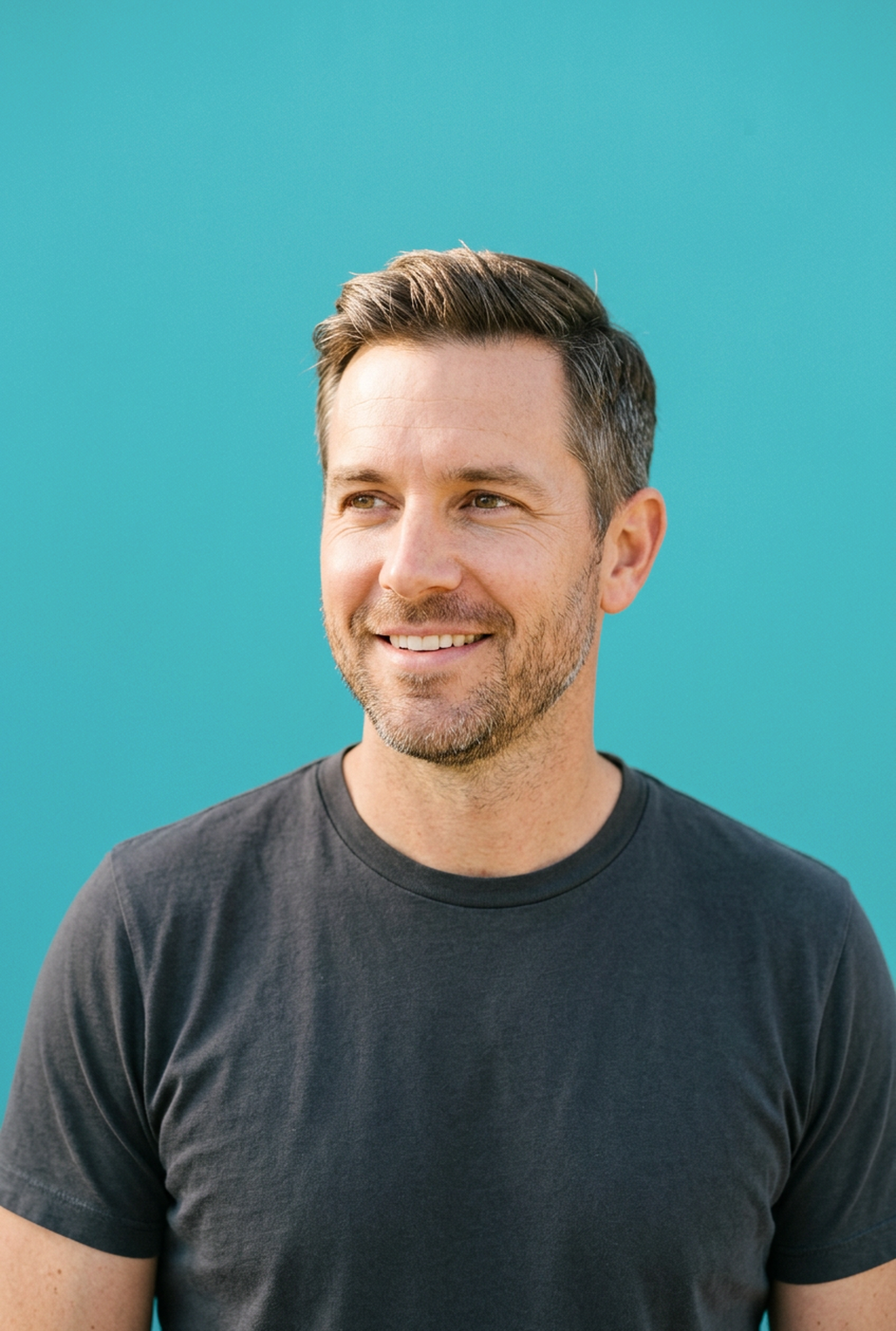 Daniel Hartwell · Founder / Operator / Builder
These are the signs that a business needs a real operating layer around its work — not one more dashboard, and not another app nobody adopts.
Key context is scattered across tools and people’s memory, so work stalls behind a few individuals and decisions can’t be repeated without them.
Teams burn hours reconciling numbers instead of acting on them, and leaders end up deciding from a picture nobody fully trusts.
Follow-up relies on someone remembering to check, so missed renewals, slow tickets, and quiet risks only show up in the post-mortem.
The process held while a few sharp people could carry it. More orders, more sites, and more moving parts make that dependence impossible to keep up.
Before anyone buys, configures, or builds anything, I map how decisions really get made, where information travels, where it gets stuck, and what each team needs in front of them to do good work.
Only then do the technology choices become obvious. The core platforms, the daily experience of the people using them, and the company’s grip on its own data get designed as one thing instead of three separate projects.
The aim is an operating environment that makes the work legible, speeds up good decisions, and keeps adapting as the company grows and changes shape.
I design the layer that wraps around those platforms: how information is pulled together, how work is handed off, what each role sees, and where AI sharpens judgment. Vendors come and go. The underlying problem stays the same: connect the systems that hold the facts to the decisions and actions that push the operation forward.
This blueprint became a custom dispatch console that replaced a tangle of spreadsheets and a retired ticketing tool across five regional depots. I ran the discovery on the floor, turned it into build requirements, guided rollout and adoption, and later returned to add an AI assistant that drafts customer updates.
Give everyone one shared picture of what is happening right now, what just changed, and what needs attention across people and systems.
Turn business rules and workflow context into clear owners, automatic routing, timely follow-up, and guidance tuned to each role.
Apply AI to rank, retrieve, draft, and watch — wherever it sharpens judgment without blurring who is accountable.
Before Ledgerline, I spent fifteen years leading operations and programs at a national logistics carrier, a fast-growing healthcare scheduling startup, and a regional home-services group. The work ranged from designing operating models for teams spread across dozens of sites to running company-wide programs that cut across product, engineering, finance, and customer service.
Along the way I kept ending up as the person who built the tool the team was missing — and learned that the tool only works when the operating model around it is right.
I started Ledgerline to bring that mix of operational leadership and hands-on systems building straight to growing companies that can’t yet justify a team for it.